Dining. Japanese counters
Sushi Ryujin at Shaw Centre: Edomae omakase at fourteen seats
Tokyo’s Edomae tradition on Scotts Road. Red vinegar rice, Yamayuki tuna and a meal that unfolds in quiet precision.
By @taniameter. Updated November 2026. 9 minute read.
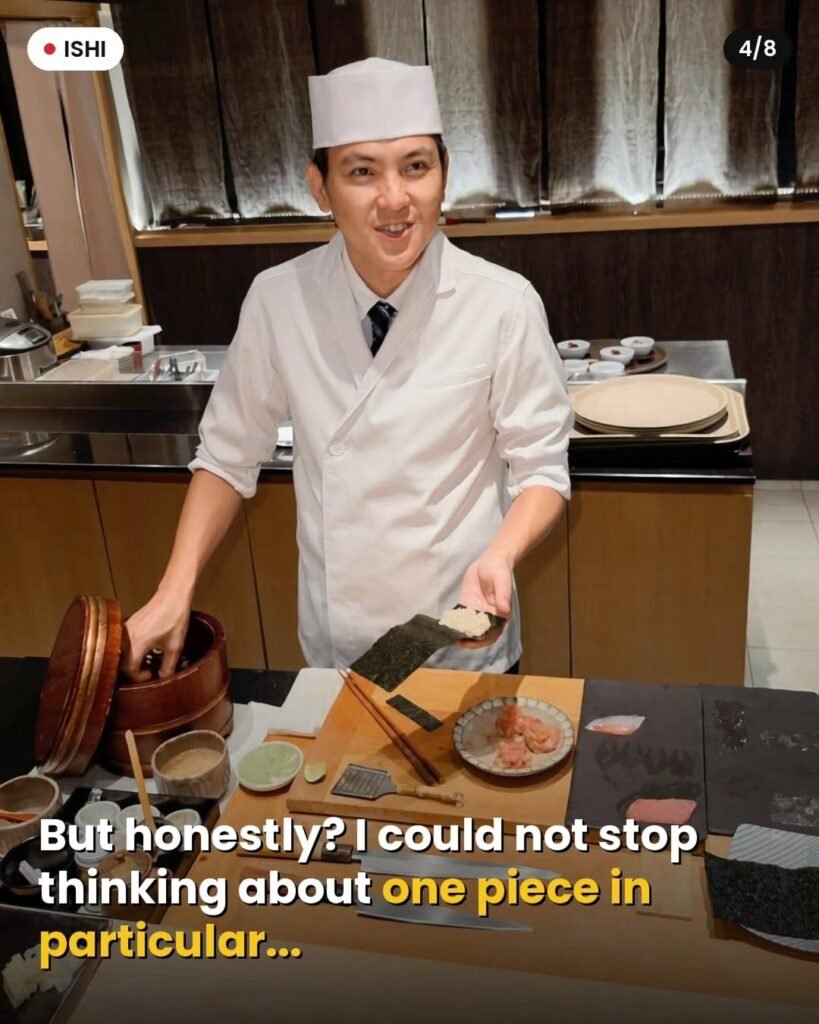
Some omakase counters try to impress you. Sushi Ryujin tries to teach you something, quietly, one piece at a time.
The restaurant sits in Shaw Centre on Scotts Road, a building that has become one of Singapore’s most reliable addresses for Japanese food. It has just fourteen seats, and it is led by Chef Torii Ryosuke, who cooks in the Edomae tradition of old Tokyo. Every course reflects the kind of craftsmanship you associate with the best counters in Japan, and every piece feels considered.
The meal opens with otsumami, small plates of sashimi and grilled fish that set the tone, before moving to nigiri: Yamayuki tuna, uni, and rice seasoned with red vinegar. If those words mean little to you now, they will by the end of this piece, and they will make your next omakase considerably more interesting.
What Edomae means
Edomae literally means “in front of Edo”, the old name for Tokyo, and it originally referred to the fish caught in Tokyo Bay. Over time it came to describe a whole style of sushi that grew up there in the nineteenth century.
Before refrigeration, sushi chefs in Edo had to make fish last. They cured it with salt and vinegar, marinated it in soy, simmered it, or aged it. Those techniques were born from necessity, but they turned out to make fish taste better: deeper, more seasoned, more complex than raw fish straight from the water.
Modern Edomae chefs keep those techniques alive by choice. When you sit at an Edomae counter, you are tasting fish that has often been worked on for hours or days before it reaches you. The skill lies not only in slicing but in knowing how long to cure a mackerel, how much to marinate a piece of tuna, and how to season the rice so that everything comes together in a single bite.
The meal, course by course
Ryujin’s omakase unfolds in quiet precision, in two movements.
Otsumami. Small plates before the sushi, including sashimi and grilled fish. The opening act. Otsumami are the small dishes served with drinks before the nigiri begins. They let the chef show range, a little grilling, a little curing, and let you settle into the rhythm of the counter.
Yamayuki tuna. The centrepiece of the nigiri. Tuna sourced through Yamayuki, one of the most respected tuna specialists at Tokyo’s Toyosu market. More on why that matters below.
Uni. Sea urchin, sweet and creamy. A highlight of any serious counter, and a good test of sourcing. Good uni tastes sweet and clean, never bitter.
Red vinegar nigiri. Rice seasoned with akazu. The signature of the Edomae style, and the detail that ties the whole meal together.
Why the red vinegar rice matters
Most people judge sushi by the fish. Sushi chefs judge it by the rice.
Akazu, or red vinegar, is made from sake lees, the solids left over after sake is brewed, and it is aged until it turns a warm amber brown. It was the vinegar of Edo-period sushi, and it gives rice a mellow, rounded, slightly sweet depth that white rice vinegar cannot match. The rice takes on a pale tan colour and a flavour that stands up to rich fish like fatty tuna rather than disappearing beneath it.
At a counter like Ryujin, notice the temperature of the rice too. It should arrive close to body temperature, loosely packed so that the grains separate in your mouth. That warmth releases the flavour of both the vinegar and the fish. It is the reason you should eat each piece the moment it is placed in front of you.
Why Yamayuki tuna matters
Tuna at the top end of sushi is less a commodity than a relationship. A handful of specialist wholesalers at Toyosu, Tokyo’s great fish market, are trusted to choose the best fish for the best counters, and Yamayuki is among the most respected of them.
Choosing tuna is an art. The wholesaler judges fat content, colour, texture and the season, then decides which counters receive which cuts. Serving Yamayuki tuna is a signal that a restaurant is plugged into that world, and it usually means you will taste the difference between lean akami, medium-fatty chutoro and rich otoro clearly, each with its own character.
Edomae techniques to look for
Once you know what to look for, an Edomae meal becomes a guessing game. Here are the techniques you are most likely to taste.
Kobujime. White fish is pressed between sheets of kombu, the kelp used for dashi, for hours or overnight. The kelp draws out moisture and adds a gentle savoury depth. The fish turns slightly firmer and silkier at the same time.
Shimesaba and other vinegar cures. Oily fish such as mackerel are salted, then cured briefly in vinegar. The result is sharp, rich and clean, and it is one of the purest expressions of the Edomae style.
Zuke. Lean tuna is marinated in soy-based sauce. This was originally a way to preserve fish in the days before ice, and today it gives akami a deep, almost meaty flavour.
Nikiri. Instead of a dish of soy on the side, the chef brushes each piece with a seasoned soy glaze just before serving. If you see the brush move, do not reach for the soy dish.
Simmering. Conger eel, clam and octopus are often gently simmered and finished with a sweet reduction called tsume. These cooked pieces are a reminder that great sushi is not only about raw fish.
A quick guide to tuna cuts
If tuna is served in several pieces, you are likely to meet three cuts. Knowing them helps you notice what the chef is doing.
Akami is the lean red meat from the back of the fish. It has the cleanest, most iron-rich tuna flavour, and it is often the cut that best shows off a chef’s marinating skill.
Chutoro is medium-fatty belly. It balances lean flavour with silky fat, and many sushi lovers consider it the most satisfying piece of the meal.
Otoro is the fattiest part of the belly, pale pink and marbled. It melts almost as soon as it touches your tongue. It is luxurious, and best enjoyed as a single piece rather than a plateful.
A good counter serves them in an order that builds, usually from lean to rich, so that each piece tastes clearer than it would on its own.
How to enjoy a counter like this
With fourteen seats, Ryujin is intimate. A few simple habits help you get the most from the evening.
Arrive on time. The chef paces the meal for the whole counter at once.
Eat each piece immediately. The rice and fish are at their best for only a few moments.
Use soy sparingly, if at all. Edomae pieces usually arrive already seasoned. Taste first.
Ask questions, gently. Where did this fish come from? How long was it aged? Chefs who work in this tradition are usually happy to explain, and the answers make the meal richer.
Drink something clean. A crisp sake or a light, high-acid white lets the fish and the rice speak.
Why Shaw Centre is a Japanese food address
If you spend any time eating Japanese food in Singapore, you will find yourself in Shaw Centre again and again. The building on Scotts Road has become one of the city’s most concentrated addresses for Japanese dining, with counters, izakayas and specialists stacked across its floors.
That concentration matters. Chefs who cook in the same building tend to share suppliers, ideas and standards, and diners who come for one restaurant soon discover three more. It is a little like a Tokyo department store food floor, spread through a whole building.
For Sushi Ryujin, it is a fitting home. You walk in off busy Scotts Road, take the escalator past the shoppers, and within minutes you are sitting at a quiet fourteen-seat counter, watching a chef work in a tradition that began in nineteenth-century Edo. That shift, from Orchard Road bustle to Edomae calm, is part of the pleasure.
Make an evening of it by arriving early and walking the building. You will almost certainly leave with a list of places for next time.
Planning your visit
Sushi Ryujin is in Shaw Centre on Scotts Road, a short walk from Orchard MRT. With only fourteen seats, booking ahead is essential, particularly for weekend dinners. Mention any allergies or ingredients you avoid when you book, so the chef can plan around them.
Good to know
Where is Sushi Ryujin in Singapore?
In Shaw Centre on Scotts Road, near Orchard MRT.
How many seats does Sushi Ryujin have?
Fourteen, at the counter.
What is Edomae sushi?
A style of sushi from old Tokyo that uses curing, marinating, simmering and ageing to deepen the flavour of fish, served on rice seasoned with red vinegar.
Who is the chef at Sushi Ryujin?
Chef Torii Ryosuke.
Send this to the friend who thinks all omakase is the same. Then book two seats and prove them wrong.
More from the magazine
Taniameter
Taniameter. Singapore food, drinks, travel and tables. Follow @taniameter on Instagram.
© 2026 Taniameter. Some links on this site are affiliate links; Taniameter may earn a commission at no extra cost to you.