The Lists. Japanese counters
31 best omakase in Singapore, from S$19.90 to two Michelin stars
The full omakase master list, sorted by what you will pay. Plus Tania’s top five, booked on her own card, and five hidden counters most people walk past.
By @taniameter. Updated November 2026. 7 minute read.
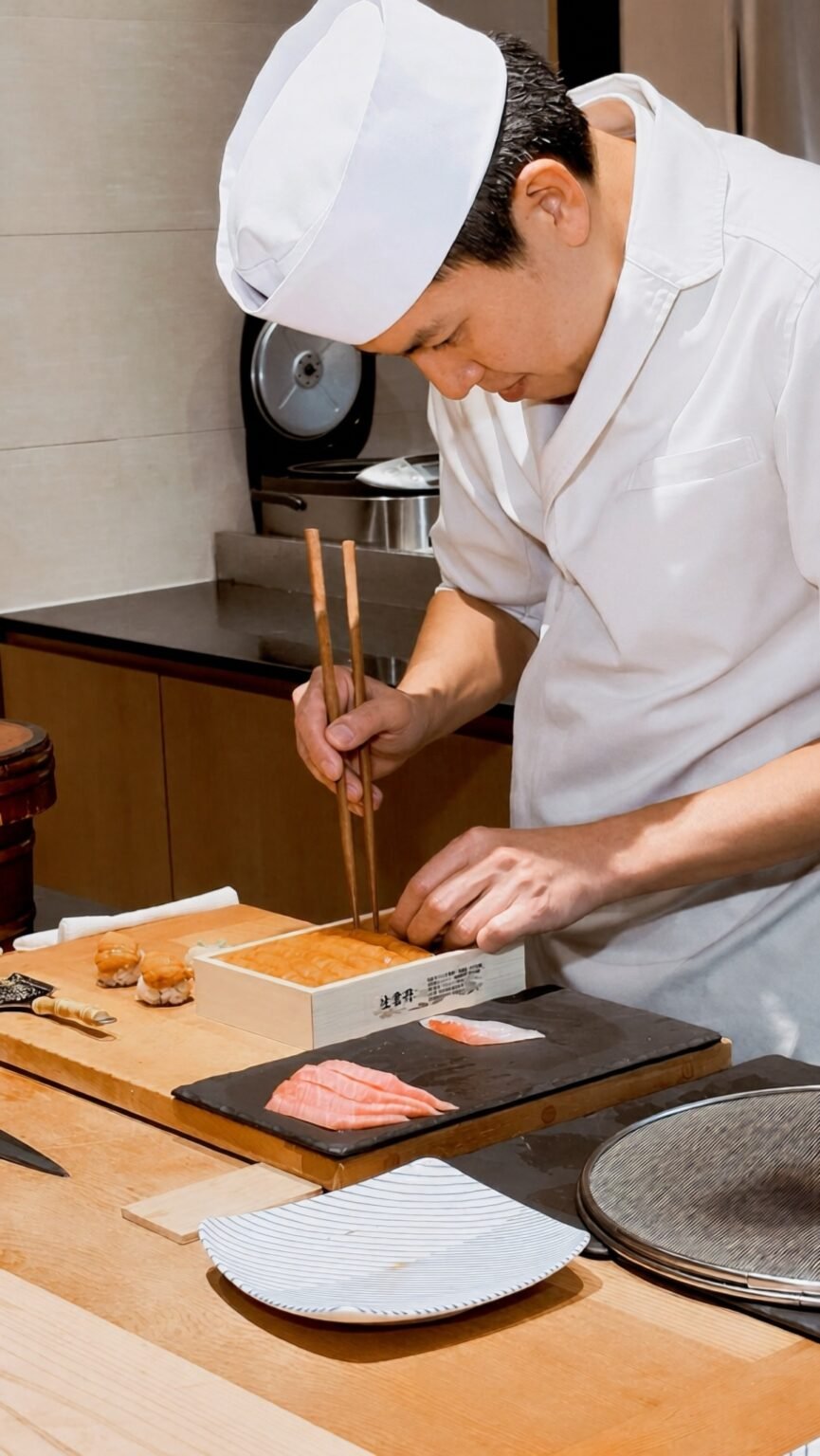
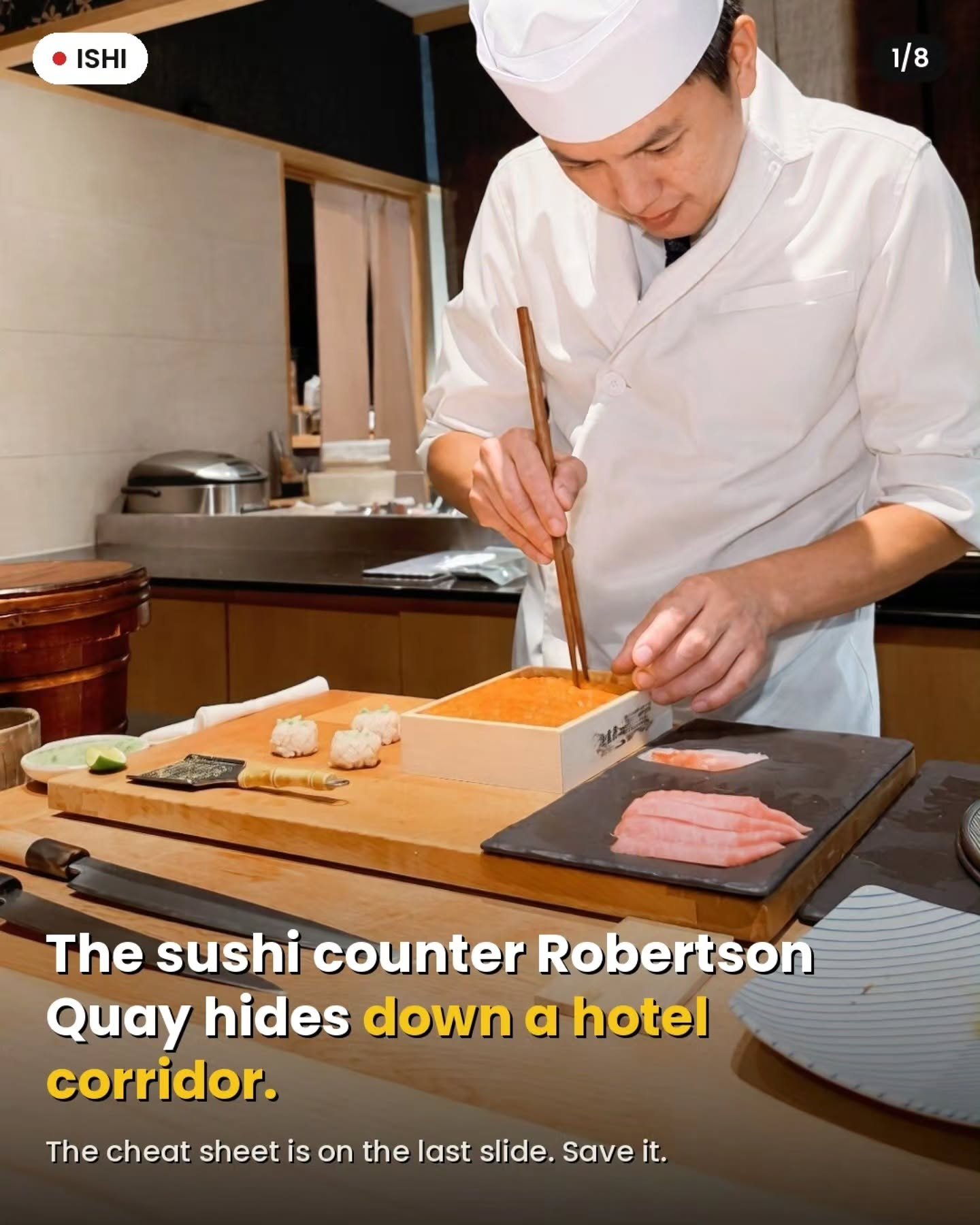
At the counter. Photograph by Tania.
Singapore has more omakase counters than it has ever had, and the price of a seat now runs from under twenty dollars to well past three hundred. The hard part is not finding one. It is knowing which is worth it for the night you have in mind.
This master list covers 31 counters. My top five come first, every one booked on my own card, not a brand’s. Then the five hidden ones, and then all 31 sorted by price tier, so you can decide by budget before you decide by name.
My top five
Booked on my own card, not a brand’s.
Omakase Stevens Tania’s top five. Stevens Road, inside the Novotel. One Michelin star, 2025. Chef Kazuki Arimoto took the Michelin Guide’s Young Chef Award the same year. French technique over Japanese produce, sixteen seats, a pine counter.
Shoukouwa Tania’s top five. One Fullerton. Two Michelin stars. One of only two sushi rooms in the country holding that rank. Eight seats, with Toyosu sourcing four times a week.
Hamamoto Tania’s top five. Orchid Hotel, Tras Link. One Michelin star. Chef Kazuhiro Hamamoto, formerly the face of Ki-sho, earned his own star within a year of going solo. Twelve seats. Order: lunch, fixed at S$280++.
Gary’s Omakase Tania’s top five
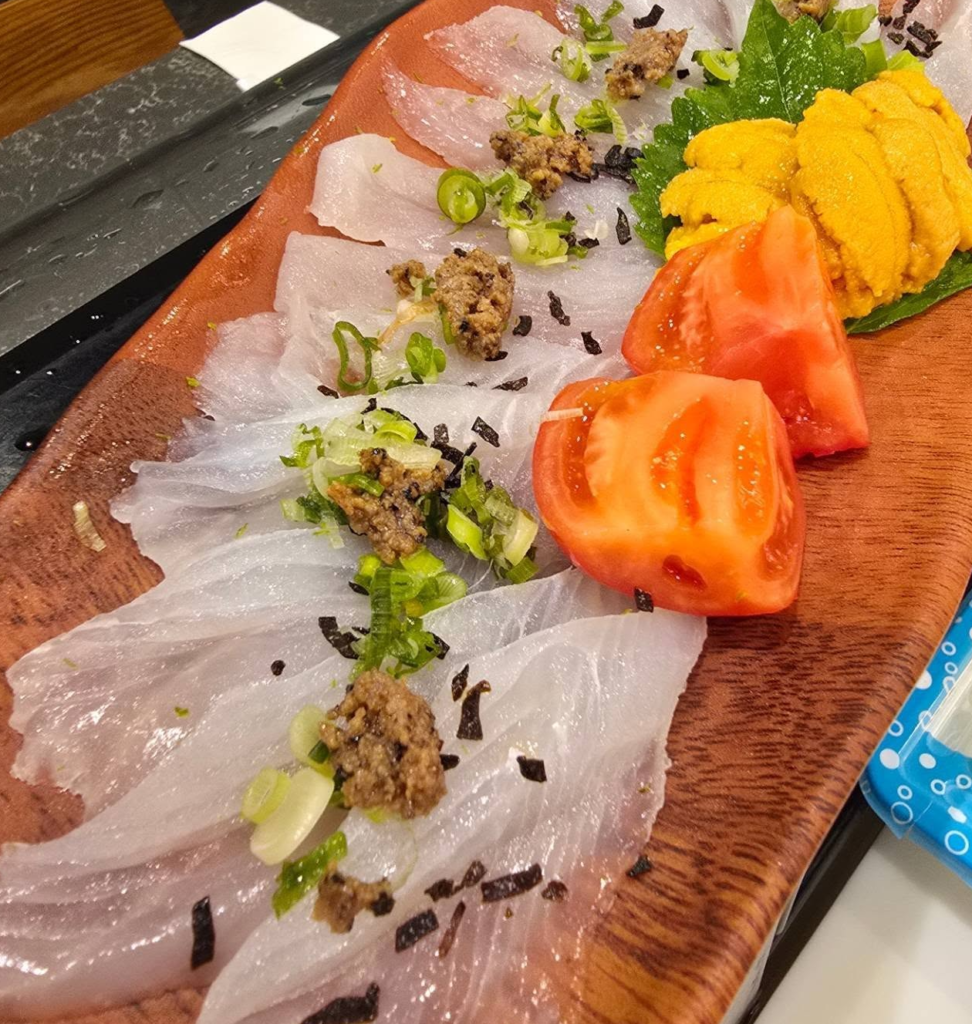
Hong Lim Complex, Chinatown, above a hawker centre.
Chef Gary, thirty years in, twelve seats and a three-month wait.
Order: from S$80++.
Sushidan Tania’s top five. Basement of Raffles City. Chef Hiroyuki Sato, formerly head chef of Michelin-starred Sushi Tokami in Tokyo. Order: nigiri from S$1.99, full sets from S$19.90.
The hidden five
Counters most people walk straight past.
Keyaki. Level 4, Pan Pacific. Hidden inside a business hotel: a full Japanese garden and koi pond behind a door most guests walk past on the way to the gym.
Kagami. Orchard Plaza. Hidden by category. Shabu sukiyaki rather than sushi, so people searching for a counter never think to look for a pot.
Ki Su Shoujin. Tras Street. Hidden by assumption. The only vegetarian omakase in the city, and most people never think to check if one exists.
Sushi Masa by Ki-setsu
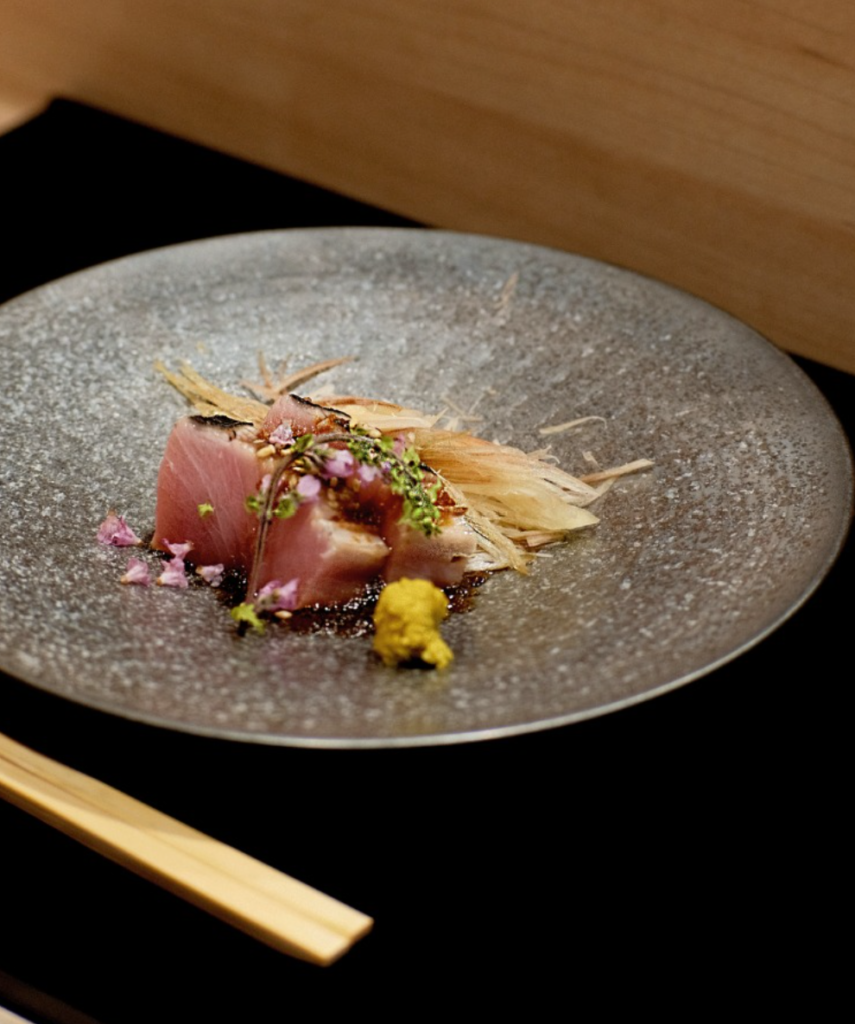
Cuppage Plaza, sixth floor.
Hidden by being unassuming. Eight seats, dinner only, and no signage doing the work for it.
Hana Japanese Restaurant. Forum Mall, Orchard. Hidden in plain sight. Fifteen courses from S$38++, at the kind of address everyone assumes is a food court stall.
Choosing by occasion, not just price
Price tiers help you set a budget, but the right counter also depends on the evening you have in mind.
Your first omakase. Start somewhere relaxed and good value, where you can learn the rhythm without the pressure of an expensive meal. Gary’s Omakase above a hawker centre in Chinatown, from S$80++, or Hana Japanese Restaurant at Forum, with fifteen courses from S$38++, are both excellent introductions.
A weekday lunch treat. Hamamoto at Tras Link offers a fixed lunch at S$280++, a way to experience a Michelin-starred counter in daylight. Sushidan in the basement of Raffles City, with full sets from S$19.90, is the everyday version.
A milestone. Shoukouwa at One Fullerton, one of only two sushi rooms in Singapore holding two Michelin stars, or Omakase Stevens, with French technique over Japanese produce at a sixteen-seat pine counter.
A vegetarian at the table. Ki Su Shoujin on Tras Street, the only vegetarian omakase in the city.
A date with a sense of discovery. Keyaki at Pan Pacific, where a full Japanese garden and koi pond hide behind a door most guests walk past.
A night for something other than sushi. Kagami at Orchard Plaza, which serves shabu sukiyaki rather than nigiri.
What omakase means, and how to enjoy it
Omakase means “I leave it to you”. Instead of ordering from a menu, you trust the chef to choose what you eat and in what order, based on the best ingredients that day.
At a sushi counter, that usually means a progression: a few small appetisers, sometimes sashimi or cooked dishes, then a sequence of nigiri that builds from lighter fish to richer ones, often ending with tuna, uni or eel, a hand roll and a simple dessert.
A few habits make the meal better. Eat each piece as soon as it is served, because the rice and fish are at their best for only a moment. Use your fingers or chopsticks, whichever you prefer, and eat each piece in one bite. Taste before adding soy, since most pieces arrive already seasoned. Arrive on time, because the chef paces the meal for the whole counter. And mention allergies when you book, not when you sit down.
Most of all, talk to the chef if the moment allows. Where a fish came from, how long it was aged, why a piece was seared: the answers are often the best part of the evening.
How to get a seat
Singapore’s best counters are small, often eight to sixteen seats, and the most popular book out weeks or months ahead. A few strategies help.
Book early, and set a reminder. Many counters release seats on a fixed schedule. Gary’s Omakase, with twelve seats, has a three-month wait.
Choose lunch. Lunch seatings are easier to get, often cheaper, and just as good.
Be flexible on days. Tuesday and Wednesday evenings are far easier than Friday and Saturday.
Join the waitlist. Cancellations happen, especially at short notice. Being on the list, and replying quickly, is how many people get in.
Respect the booking. Cancellation policies at omakase counters are strict, because an empty seat means wasted fish. If your plans change, tell the restaurant as early as you can.
All 31 by price tier
Sorted by what you will pay per head.
| Under S$30 | Sushidan |
|---|---|
| S$30 to S$80 | Teppei, Sushi Guren, Hana Japanese Restaurant, Gary’s Omakase, Kagami |
| S$80 to S$150 | Fat Cow, Hashida Private Dining, Wakuda, Ichigo Ichie, Ki Su Shoujin, Miraku, Ryo Sushi, Keyaki |
| S$150 to S$200 | Sushi Ayumu by Masa Ishibashi, Ki-sho, Sushi Ashino, Sushi Sato, Ushidoki |
| S$200 to S$250 | Kakushin, Ginza Sushi Ichi, Sushi Masaaki, Sushi Masa by Ki-setsu |
| S$250 and up | Omakase Stevens, Shoukouwa, Sushi Kou, Shinji by Kanesaka, Sushi Kimura Plus, Hamamoto, Sushi Ryujiro, Firebird by Suetomi |
From S$19.90 to two stars
One of the most remarkable things about omakase in Singapore is its range. At one end, Sushidan, run by Chef Hiroyuki Sato, formerly head chef of Michelin-starred Sushi Tokami in Tokyo, serves nigiri from S$1.99 and full sets from S$19.90 in a shopping mall basement. At the other, Shoukouwa offers eight seats, Toyosu sourcing four times a week and two Michelin stars.
Both are worth experiencing, and they are not in competition. The first teaches you that great sushi is not only for special occasions. The second shows you how far the craft can go. Between them sit twenty-nine more counters, each with its own personality, which is why I find this the most rewarding list I have ever made.
What to drink at the counter
The right drink makes an omakase better; the wrong one fights it.
Sake. The natural partner. A crisp, dry junmai ginjo, served chilled, suits most of the meal. If the chef serves richer, fattier pieces towards the end, a fuller junmai, sometimes gently warmed, holds its own. Ask the counter to pair sake by the glass if you cannot decide.
Champagne. Its acidity and fine bubbles are wonderful with raw fish and fried courses, and it makes any omakase feel like a celebration.
Crisp white wine. Chablis, Riesling or a mineral white from the coast. Avoid heavily oaked whites, which can overwhelm delicate fish.
Green tea. If you are not drinking, ask for hot green tea. At the end of the meal, agari, the strong green tea served at sushi counters, cleanses the palate beautifully.
What to avoid. Big tannic reds and sweet cocktails both clash with the subtlety of good sushi. Save them for later in the evening.
If you only book one
People often ask me to choose just one. My answer depends on who is asking. For a friend new to omakase, I say Gary’s Omakase: thirty years of experience, twelve seats, and a price that lets you relax. For a celebration, I say Omakase Stevens, where French technique meets Japanese produce at a pine counter. And for anyone who thinks great sushi must be expensive, I send them to Sushidan first, then watch them book a second visit before they have finished their set.
Good to know
What is the cheapest omakase in Singapore?
Sushidan in the basement of Raffles City, with nigiri from S$1.99 and full sets from S$19.90. Its chef was head chef of Michelin-starred Sushi Tokami in Tokyo.
Which omakase in Singapore has two Michelin stars?
Shoukouwa at One Fullerton, one of only two sushi rooms in the country holding two stars.
Is there a vegetarian omakase in Singapore?
Yes. Ki Su Shoujin on Tras Street is the only vegetarian omakase in the city.
Were these meals sponsored?
Tania’s top five were booked and paid for on her own card.
Save this, send it to the friend who needs it, and tell Tania what she missed on Instagram.
More from the magazine
Taniameter
Taniameter. Singapore food, drinks, travel and tables. Follow @taniameter on Instagram.
© 2026 Taniameter. Some links on this site are affiliate links; Taniameter may earn a commission at no extra cost to you.