The Lists. Japanese
31 best izakayas in Singapore, from Cuppage Plaza to hidden doors
Every friend group has one person who always knows the izakaya. Be that person. Thirty-one of them, my top five, the budget picks, and twenty sorted by mood.
By @taniameter. Updated November 2026. 11 minute read.
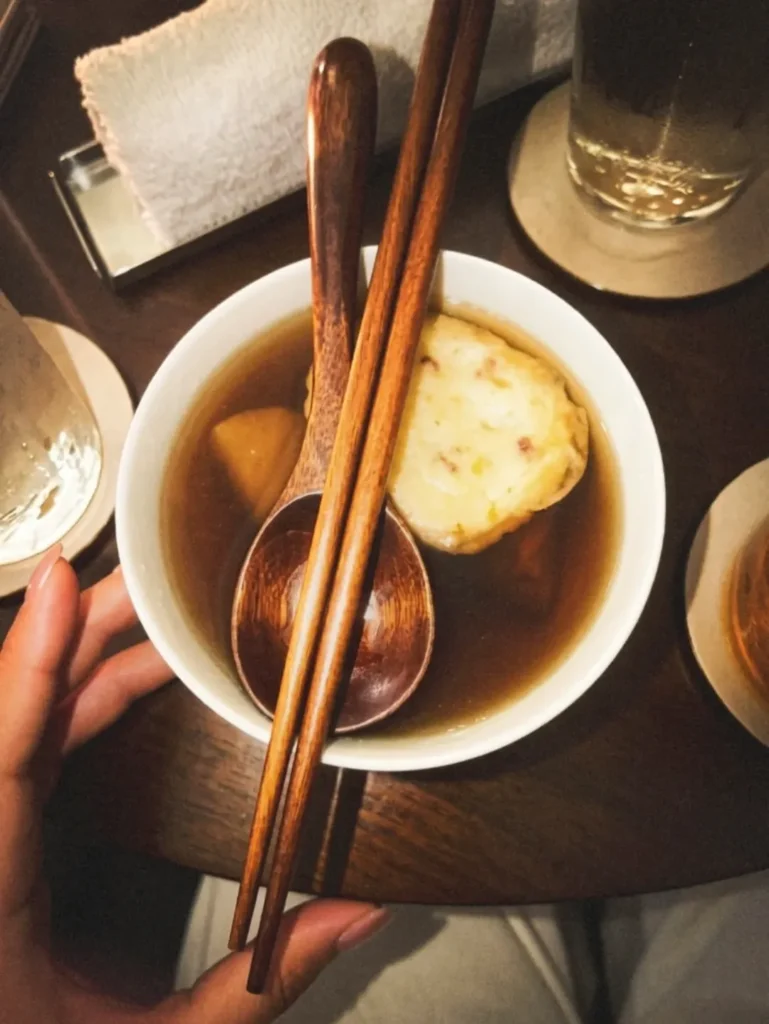
Every friend group has one person who always knows the izakaya. The one who can name a counter on the third floor of Cuppage Plaza with handwritten menus, or a room behind a tiny sliding door with city pop playing and a disco ball turning. Be that person.
An izakaya is, at heart, a Japanese pub: a place to drink, with food designed to go with the drinking. But that simple description hides a huge range. Some are old-school counters that have been grilling over charcoal for thirty years. Others are new-wave rooms that feel more like a party than a pub.
Here are thirty-one izakayas in Singapore, in no particular order, because every one of them is worth the trip. Below you will find my top five, two that will not hurt your wallet, twenty sorted by mood, the full list, and a short guide to ordering like a regular.
My top five
In no particular order.
Izakaya Naniwa Tania’s top five. Third floor of Cuppage Plaza. Book on WhatsApp: 9007 1889. Handwritten daily menus and Kyoto-style obanzai, the small home-style dishes of Kyoto. It feels like eating in someone’s kitchen in Japan.
Kazu Sumiyaki Tania’s top five. Cuppage Plaza. More than thirty years in Cuppage Plaza, grilling over charcoal. One regular rates it above half the izakayas they have tried in Tokyo.
Yakitori Yatagarasu Tania’s top five. Circular Road. Serious yakitori that uses almost every part of the chicken. Read the house rules before you go; they exist for good reasons.
Kizuna Tania’s top five. Under an HDB block in Potong Pasir. Coffee by day, an izakaya by night. A true neighbourhood gem, and the kind of place you only find by word of mouth.
MoboMoga Tania’s top five. Through a tiny sliding door. Crawl in and find city pop and a disco ball. The special-occasion pick, and the one that turns a birthday into a story.
On a budget
Morinaga. Easy on the wallet. A good choice for a casual weeknight, when you want a beer and a few skewers without a big bill.
Izakaya Hikari. Easy on the wallet. Old-school and buzzing, and one of the best-value nights out on this list.
Pick by mood
Twenty of the thirty-one, sorted on two scales: old-school or new-wave, intimate or buzzing. Send it to the friend each one is perfect for.
Old-school and intimate
Quiet counters with a long history.
- Izakaya Naniwa
- Kazu Sumiyaki
- Hanashizuku
- Yakitori Yatagarasu
- Skewers Yakitori Izakaya
Old-school and buzzing
Classic rooms with a crowd.
- Izakaya Nijumaru
- Izakaya Hikari
- Kerria
- Sakedokoro Eizaburo
- Hachimaru Izakaya
New-wave and intimate
Modern rooms made for two.
- Kizuna
- Momoya
- Kai Yakitori
- Barrel Story of Hibiki
- Apollon
New-wave and buzzing
Loud, fun and made for groups.
- MoboMoga
- ShuKuu
- Hiyaki
- Shakō-Ba
- Jibiru
All thirty-one
- Izakaya Naniwa
- Izakaya Nijumaru
- Kazu Sumiyaki
- Hanashizuku
- Kerria
- Hitoyoshi Izakaya
- Skewers Yakitori Izakaya
- Apollon
- MoboMoga
- Izakaya Hikari
- Sakedokoro Eizaburo
- Yakitori Yatagarasu
- Barrel Story of Hibiki
- Kai Yakitori
- Shunjuu
- Hiyaki
- ShuKuu
- Shakō-Ba
- Momoya
- Izakaya Niningashi
- Hachimaru Izakaya
- Sandaime Hiraki
- Kizuna
- Zenryoku
- Tora Tora Tora
- Morinaga
- Mikoto
- Nomiya Izakaya & Sake Bar
- Jibiru Yakitori
- Ishinomaki Grill & Sake
- Toku Izakaya Bar
How to order at an izakaya
Izakayas are relaxed by design, but a little knowledge makes the evening flow.
Order a drink first. The classic opener is a cold beer or a highball. Raise your glass and say “kanpai” before anyone takes a sip.
Expect a small starter. Many izakayas serve an otoshi, a small dish brought to the table as you sit down. It is often included as a cover charge, and it is a nice sign of the kitchen’s style.
Order in rounds. Izakaya food comes in small plates, so order three or four dishes, eat, drink, then order again. It keeps everything hot and the evening long.
Learn the yakitori basics. Skewers come either with tare, a sweet soy glaze, or with shio, just salt. Try the same cut both ways. At a serious yakitori counter, ask for the chef’s recommendations; they will often serve parts of the chicken you would never order yourself, and they are usually the best.
Do not skip the classics. Karaage, Japanese fried chicken, potato salad, grilled fish and a rice dish to finish. Simple, and often the best measure of a kitchen.
Explore the sake list. If you are unsure, ask for something dry and chilled to begin, then something richer and served warm as the night goes on.
A beginner’s guide to sake
Many people never order sake at an izakaya because the list looks like a code. It is simpler than it seems.
Start with the polishing ratio. Sake rice is polished to remove its outer layers before brewing. The more it is polished, the more delicate and fragrant the sake tends to be. Junmai daiginjo is the most polished category, often floral and fruity. Junmai ginjo sits in the middle. Junmai, the least polished of the premium styles, is fuller, earthier and often lovely warm.
“Junmai” means pure rice. It tells you no distilled alcohol was added. Sakes without the word may have a small amount added, which can make them lighter and more aromatic. Neither is better; they are different.
Chilled or warm. Fragrant ginjo styles are usually best chilled, so their aromas stay fresh. Richer junmai and honjozo sakes can be wonderful gently warmed, especially with grilled food.
Dry or sweet. Many sake labels carry a number called the sake meter value. Higher numbers tend to be drier, lower numbers sweeter. If in doubt, ask for something dry to start.
Order by the glass first. Many izakayas pour sake by the glass or in small carafes. Try two or three styles before committing to a bottle.
Ten izakaya dishes worth knowing
Menus vary, but these dishes turn up at most good izakayas. Order a few and you will quickly learn which kitchen you like best.
Karaage, Japanese fried chicken, marinated and crisp. The universal favourite. Tsukune, chicken meatball skewers, often served with a raw egg yolk for dipping. Negima, chicken thigh and leek on a skewer, the classic test of a yakitori grill. Hokke, grilled Atka mackerel, salty, flaky and perfect with beer. Agedashi tofu, deep-fried tofu in a light dashi broth. Potato salad, Japanese style, creamy and slightly sweet, far better than it sounds. Edamame, the obvious opener. Sashimi moriawase, a mixed plate of raw fish. Obanzai, the small home-style Kyoto dishes that make Izakaya Naniwa special. And ochazuke, rice with tea or dashi poured over, the classic way to end the night.
If you are with a group, order one of everything and share. That is how izakaya food is meant to be eaten.
An izakaya for every occasion
The mood grid above sorts twenty of these by feel. Here is how I would match the top of the list to real evenings.
A quiet dinner for two. Izakaya Naniwa on the third floor of Cuppage Plaza, with its handwritten daily menu and Kyoto-style obanzai. Book on WhatsApp and ask for whatever the kitchen is proudest of that day.
Friday drinks with the team. Somewhere old-school and buzzing, like Izakaya Nijumaru, Izakaya Hikari or Hachimaru Izakaya. Big tables, cold beer and plates that keep coming.
Serious yakitori. Yakitori Yatagarasu on Circular Road, where almost every part of the chicken is used. Read the house rules first, sit at the counter and let the grill lead.
A neighbourhood night. Kizuna under an HDB block in Potong Pasir, coffee by day and izakaya by night. The kind of place that makes you love Singapore’s heartlands.
A birthday or a big night out. MoboMoga, through the tiny sliding door, with city pop and a disco ball. It turns an ordinary evening into a story.
Payday is still a week away. Morinaga or Izakaya Hikari, both easy on the wallet.
A whisky lover in the group. Barrel Story of Hibiki, from the new-wave and intimate corner of the grid.
Why Cuppage Plaza matters
Two of my top five, Izakaya Naniwa and Kazu Sumiyaki, are in Cuppage Plaza, and that is no coincidence. For decades this unglamorous building near Somerset has been one of the centres of Japanese drinking culture in Singapore, packed with small izakayas, karaoke rooms and counters that feel transported straight from a Tokyo side street.
Its charm is its lack of polish. Corridors are narrow, signs are often only in Japanese, and the best places are on upper floors with no street presence at all. For newcomers it can feel intimidating. For regulars it is the most rewarding building in Orchard.
My advice: go with a booking at Naniwa or Kazu, then explore afterwards. Half the joy of Cuppage Plaza is wandering the floors and finding your own favourite.
Good to know
What is the best izakaya in Singapore?
Tania’s top five, in no particular order, are Izakaya Naniwa, Kazu Sumiyaki, Yakitori Yatagarasu, Kizuna and MoboMoga.
Where can I find a cheap izakaya in Singapore?
Morinaga and Izakaya Hikari are both easy on the wallet.
Where are the best izakayas in Orchard?
Cuppage Plaza, near Somerset, is home to old-school favourites including Izakaya Naniwa and Kazu Sumiyaki.
How do I book Izakaya Naniwa?
By WhatsApp on 9007 1889.
Send this to whoever always organises Friday drinks. Then tell me the izakaya I missed on Instagram.
More from the magazine
Taniameter
Taniameter. Singapore food, drinks, travel and tables. Follow @taniameter on Instagram.
© 2026 Taniameter. Some links on this site are affiliate links; Taniameter may earn a commission at no extra cost to you.